Choosing a base in Venice
The old town has six sestieri, the traditional districts: San Marco, Castello, Cannaregio, San Polo, Santa Croce and Dorsoduro. Around them lie Giudecca, the Lido and, on the mainland, Mestre. There is no wrong choice, but the distances differ. The old town has no cars, so every transfer is on foot or by vaporetto, the public water bus. This page names no hotels and no room prices.
Staying overnight has one money advantage. Guests who sleep in the municipality of Venice do not pay the access fee, but they pay the tourist tax through their accommodation. In 2027 the fee applies on 72 days from 26 March to 15 August.
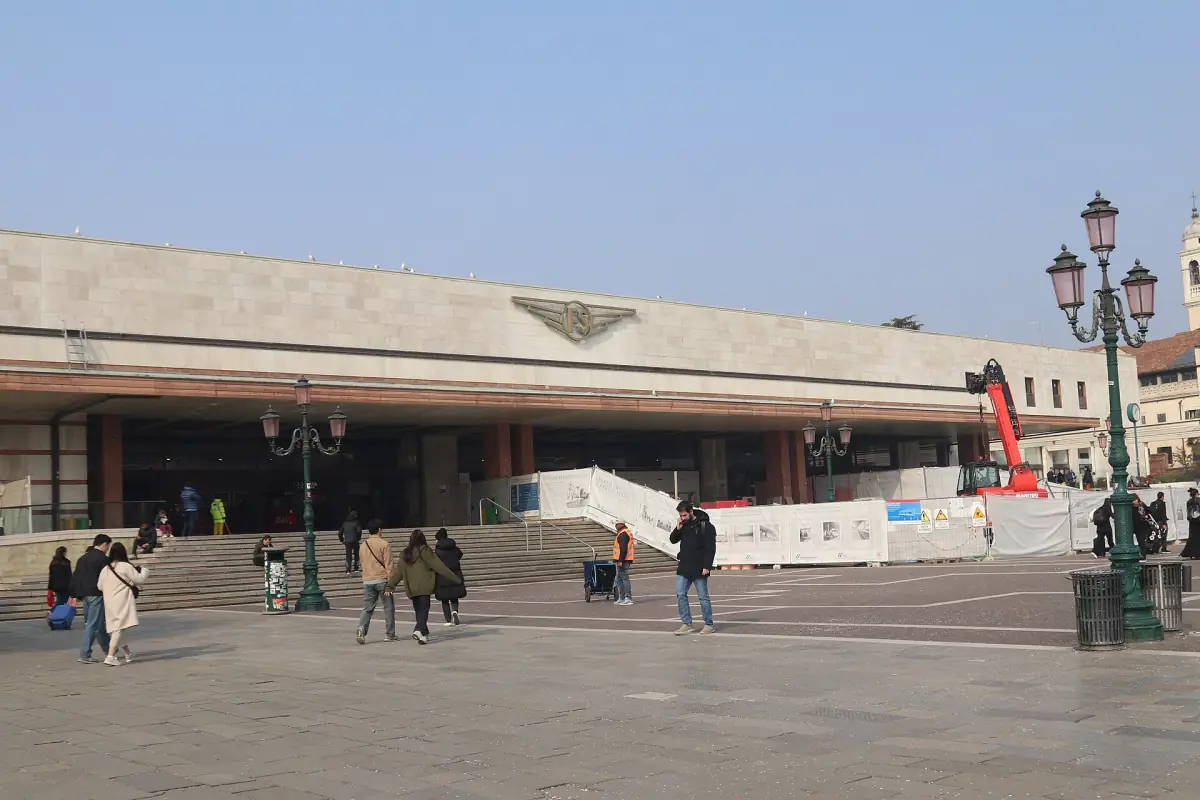
The areas compared
Where each one is and who it suits.
| Area | Location | Good for |
|---|---|---|
| San Marco | Centre, around St. Mark's Square and the Doge's Palace | Short stays and sights on foot |
| Castello | East, with the Arsenale and the Giardini (Biennale) | Calmer streets close to the centre |
| Cannaregio | North, with Santa Lucia station and Fondamente Nove | Arrival by train, boats to Murano and Burano |
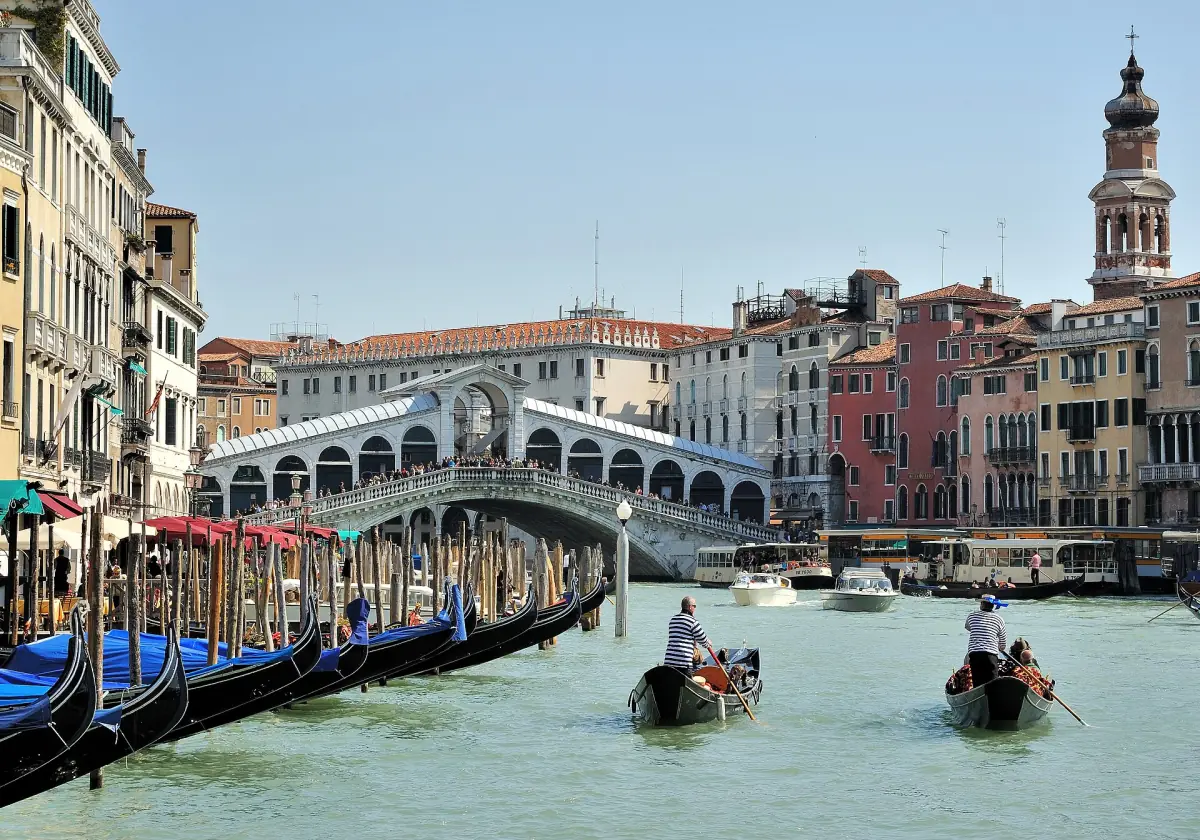
| San Polo and Santa Croce | West of the Grand Canal; the Rialto, the Frari and the Piazzale Roma car terminal | Markets, arrival by bus or car |
| Dorsoduro | South-west, with the Accademia, the Guggenheim and the Zattere | Museums and quieter evenings |
| Giudecca | Island across the Giudecca canal | Views of the city, fewer crowds |
| Lido | Island with a beach, reached by vaporetto lines 1, 5.2 and 14 | Beach stays, a calm base |
| Mestre | Mainland, with rail, tram and bus links to Venice | Tight budgets, car arrival |
Dorsoduro, northern Cannaregio and Castello are said to be higher and less exposed to high water than other districts. This comes from a secondary source, so treat it as a hint and not a guarantee.
Venice tours and tickets
Skip-the-line tickets, guided tours, gondola rides and boat trips to Murano and Burano, with live prices and availability.
Which area for which trip
Pick by what you will do most.
First visit, three days or less
San Marco, Castello or Dorsoduro keep walking short. Cannaregio is the practical choice if you arrive by train and want boats to the islands from Fondamente Nove.
Arriving by car or bus
Piazzale Roma is the car terminal, with three garages open 24 hours. The old town is a short walk or boat ride from there. Staying in Mestre and taking the train is the cheaper alternative.
Getting around →Staying on the mainland
Mestre and Santa Lucia are linked by frequent trains. The Mestre Daily Pass costs €5 on a smartphone and covers the land network plus regional trains inside the Venice area.
Beach and calm
The Lido has the beach and a ferry link to the centre. It suits a longer stay, not a quick first visit.
Airport days
If you fly early, being near the station or Piazzale Roma helps. The ATVO bus takes about 20 minutes to Piazzale Roma.
From the airport →Travelling in autumn or winter
High water is most common from October to March. Ask your host where the entrance sits and check the forecast of the city.
Best time to visit →Tourist tax and the access fee for overnight guests
Two charges that are alternatives to each other.
The tourist tax
The tax is charged per person and night, for the first 5 nights only, and you pay it at your accommodation. The rate depends on the season, the type of accommodation and the location (old town, islands, mainland). Secondary sources give roughly €1 to €5 per person and night. Check this with your host. Children under 10 are exempt.
The access fee exemption
Guests who stay in the municipality of Venice are exempt from the access fee, but you need proof: an exemption QR code or voucher, or a self-declaration with a copy of your ID. The exemption covers the days from arrival to departure. Mestre belongs to the municipality, but the 2027 rules are not final.
Access fee →Others who do not pay the fee
Children under 14 and Veneto residents (with ID) do not pay. A person born in Veneto who lives elsewhere does pay.
Plan the rest of your trip
Useful pages before you book.
Where to stay in Venice: frequently asked questions
What is the best area for first-timers?
San Marco, Castello and Dorsoduro keep sights close. Cannaregio is the best fit if you arrive by train and plan to visit the islands.
Is it better to stay in Mestre?
It can be cheaper, and trains run frequently to Santa Lucia. But you spend time on the way, and you miss the old town in the evening.
Do hotel guests pay the access fee?
No. Guests in the municipality of Venice are exempt for the days from arrival to departure, but need a QR code or a self-declaration with an ID copy. They pay the tourist tax instead.
How much is the tourist tax?
It is charged per person and night for the first 5 nights, and children under 10 are exempt. The rate depends on the accommodation. Secondary sources give roughly €1 to €5, so confirm it when you book.
Is the Lido a good place to stay?
Yes, for beach time and calm, with a ferry to the centre on lines 1, 5.2 and 14. It is not the best choice for a very short stay.